Why Continuity of Care Matters: The Benefits of Having a Regular GP

When you need to see a doctor, it can be tempting to simply book the first available appointment. For an occasional illness or injury, that may be all you need. But when it comes to looking after your health over time, having a regular GP can make a meaningful difference.

Continuity of care means developing an ongoing relationship with a GP or medical practice that becomes familiar with your health history, circumstances and changing healthcare needs.

From preventative health to managing ongoing conditions, this familiarity can support more coordinated and personalised care throughout different stages of life.

Your GP Gets to Know Your Health History

One of the main benefits of seeing a regular GP is that you don’t need to start from the beginning at every appointment.

Over time, your GP becomes familiar with your medical history, medications, previous test results, family history and any ongoing health concerns.

This context can be particularly valuable when a new symptom develops or something changes. Rather than looking at an issue in isolation, your GP can consider it as part of your broader health picture.

Preventative Care Becomes Part of the Conversation

GP care isn’t only about seeing a doctor when you’re unwell.

A regular GP can help you keep track of preventative healthcare that may be appropriate for your age, health history and individual risk factors.

This may include:

Regular appointments also provide an opportunity to discuss changes to your health before they become more significant concerns.

Better Support for Chronic and Ongoing Conditions

Continuity of care can be particularly valuable for people living with chronic health conditions such as diabetes, cardiovascular disease or asthma.

Managing an ongoing condition often involves more than a single appointment. Treatment may need to be reviewed over time, medications adjusted, tests monitored and care coordinated with nurses, allied health practitioners or specialists.

Having a regular GP provides a consistent point of contact throughout this process.

Your Healthcare Needs Change Over Time

The type of healthcare you need at 20 may look very different from the care you need at 40, 60 or 80.

A long-term GP relationship can support you through different stages of life — from contraception and family planning through to pregnancy care, mental health, chronic disease management, preventative health and healthy ageing.

For families, continuity can also mean having a GP who becomes familiar with the health needs and medical history of multiple family members.

It Can Make Difficult Conversations Easier

Not every reason for visiting a GP is straightforward.

Mental health, sexual health, reproductive health and other personal concerns can sometimes be difficult to discuss. Having an established relationship with a doctor you know and trust may make it easier to raise these concerns and seek support when you need it.

Continuity Doesn’t Mean You Can Only See One Doctor

Having a regular GP doesn’t mean you must see the same doctor for every health concern.

There may be times when another GP has specific experience relevant to your needs, or when your usual doctor isn’t available. What matters is having an ongoing connection with a medical practice where your health information and care can be appropriately coordinated.

Ongoing GP Care at Hoppers Lane GP

Hoppers Lane GP has been caring for individuals and families across Hoppers Crossing, Werribee and the surrounding Wyndham community for many years.

Many of the GPs consulting from the clinic have established long-term relationships with their patients and provide care across different stages of life.

With nursing support, Clinical Labs pathology, iMED Radiology and a pharmacy conveniently located onsite, patients can also access a range of healthcare services from the one location.

Whether you’re managing an ongoing health condition, due for a preventative health check or simply looking for a regular GP who can get to know your health over time, you can book an appointment with a GP at Hoppers Lane GP.

 

Iron Infusions: When Are They Recommended?

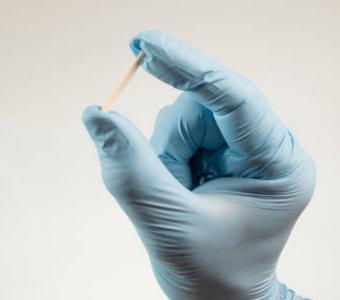
Doctors consulting at Hoppers Lane GP provide Implanon insertions and removals right here at the clinic.

Implanon, sometimes called “the Rod”, is a common long-acting reversible contraceptive available in Australia.

Feeling tired from time to time is normal. A busy week, poor sleep, stress or a change in routine can all leave you feeling low on energy.

But when fatigue persists, affects your ability to get through the day, or doesn’t improve with adequate rest, it may be worth speaking with your GP. There are many possible causes of ongoing fatigue, and iron deficiency is one of them.

Could Low Iron Be Causing Your Fatigue?

Iron plays an important role in helping your body produce haemoglobin, which carries oxygen in the blood. When iron levels become too low, you may begin to experience symptoms such as:

  • Ongoing tiredness or weakness
  • Shortness of breath
  • Dizziness or light-headedness
  • Headaches
  • Difficulty concentrating
  • Reduced exercise tolerance
  • Heart palpitations

Some people with iron deficiency have few or no noticeable symptoms, while others find it significantly affects their energy levels and day-to-day life.

Importantly, fatigue can have many causes. Rather than assuming low iron is responsible, a GP can assess your symptoms and determine whether further investigation is needed.

Why Does Iron Deficiency Happen?

Iron deficiency can occur for a number of reasons. These may include heavy menstrual bleeding, pregnancy, dietary factors, gastrointestinal conditions that affect iron absorption, or blood loss.

If iron deficiency is suspected, your GP may recommend blood tests to check your iron levels and investigate the underlying cause. Blood tests can be completed following your consultation at the Clinical Labs pathology collection centre located onsite at Hoppers Lane GP.

Identifying why your iron levels are low is an important part of deciding on appropriate treatment.

How Do I Know If I Have Low Iron?

You can’t tell whether you have iron deficiency based on symptoms alone. While fatigue, weakness, dizziness and difficulty concentrating can be associated with low iron, these symptoms can also have many other causes.

Your GP will also consider why your iron levels may be low. Depending on your results, symptoms and medical history, further investigation may be recommended to identify the underlying cause.

How Is Iron Deficiency Treated?

Treatment depends on the severity and cause of the deficiency, as well as your individual circumstances.

For many people, oral iron supplements are the first treatment recommended. Dietary changes may also form part of managing iron deficiency.

However, oral iron isn’t suitable or effective for everyone. Some people experience side effects, have difficulty absorbing iron, or require iron to be replaced more quickly.

In these circumstances, an iron infusion may be considered.

What Is an Iron Infusion?

An iron infusion delivers iron directly into the bloodstream through an intravenous (IV) line.

Before an infusion is recommended, a GP will generally review your symptoms, medical history and recent blood test results to determine whether it is appropriate for you.

Iron infusions are administered under medical supervision, and patients are monitored during and following the procedure.

What Happens During an Iron Infusion?

An iron infusion delivers iron directly into your bloodstream through an intravenous (IV) line.

A nurse will insert the IV line, usually into a vein in your hand or arm, and the prescribed iron will be administered through a drip.

Your vital signs, such as your blood pressure, pulse and temperature, will be checked, and you will be monitored during the infusion and afterwards for any unexpected reactions.

The length of the infusion depends on the type and amount of iron prescribed. You should allow sufficient time for both the infusion and the required monitoring afterwards.

What Happens After an Iron Infusion?

Most people can drive home and return to their normal activities following an iron infusion unless they experience an unexpected reaction.

A follow-up blood test is generally required 2 to 4 weeks after the infusion to check whether your iron levels have improved.

Your doctor can advise you about follow-up testing and any ongoing treatment you may need.

Iron Infusions at Hoppers Lane GP

If you have symptoms that may be associated with iron deficiency, the first step is to book an appointment with an appointment at Hoppers Lane GP to discuss your symptoms and arrange appropriate testing.

Source: Healthdirect Australia, Iron Deficiency and Iron Infusion.

Exploring Implanon for Long-Term Contraceptive Care

Implanon is a long-acting reversible contraceptive implant that is placed under the skin of the upper arm.
It releases a progestogen hormone to help prevent pregnancy and can be an option for people looking for contraception that does not require daily attention.

Whether Implanon is suitable for you depends on your medical history, current medications, health circumstances and contraceptive preferences. Your GP can discuss how the implant works, what to expect from the procedure and other options that may be available to you.

What Happens During an Implanon Consultation?

During your consultation, your GP will ask about your medical history, current medications and any relevant health conditions. You can also discuss your menstrual cycle, previous contraceptive experiences and your individual considerations around birth control or hormonal therapy.

Your doctor will explain how Implanon works, how it is inserted and removed, and possible side effects or changes you may experience. If you decide to proceed, your GP can also plan when the implant can be inserted around your menstrual cycle and other contraception, and whether any additional birth control may be required around the time of insertion.

Implanon Insertion

Implanon is inserted under the skin of the upper arm using a specially designed applicator. The area is cleaned and a local anaesthetic may be used to help minimise discomfort during the procedure.

Once inserted, the implant can be felt under the skin. Your doctor will provide information about caring for the insertion site and what to look out for afterwards.

As with any medical procedure, there can be risks and side effects. These may include bruising, pain or swelling around the insertion site, as well as changes to your menstrual bleeding pattern. Your GP will discuss these with you before the procedure.

Implanon Removal and Replacement 

If you decide to stop using Implanon, or your implant needs to be replaced, it can be removed by your GP. The area is usually numbed with a local anaesthetic before a small incision is made to remove the implant.

Before organising your removal or replacement procedure, you will have an initial consultation with your GP. In this appointment, the GP will discuss the timing for the procedure around your menstrual cycle, prescribe the device, and if relevant, discuss other contraceptive options.

Discuss Your Contraceptive Options with Your GP

Choosing contraception is a personal decision, and what suits one person may not be right for another. If you’re looking for a doctor who provides Implanon insertion or removal in Werribee, there are experienced GPs at Hoppers Lane GP who have undergone further training in Implanon procedures. Your GP can discuss your contraceptive needs, individual circumstance and history and if necessary, perform the implanon procedure in the clinic.

To arrange a consultation, contact Hoppers Lane General Practice on (03) 8731 6500 or make an appointment with your GP.

Frequently Asked Questions

What is Implanon?

Implanon NXT is a small contraceptive implant placed under the skin of the upper arm. It releases a progestogen hormone to help prevent pregnancy.

How long does Implanon last?

Implanon NXT is designed to provide contraception for up to three years. Your GP can advise you about when the implant should be replaced based on your individual circumstances.

Is Implanon insertion painful?

The area is usually numbed with a local anaesthetic before insertion. You may experience some discomfort, bruising or tenderness around the insertion site afterwards.

Can I have an Implanon consultation in Werribee before deciding?

Yes. An Implanon consultation in Werribee gives you an opportunity to discuss your medical history, contraceptive preferences, how the implant works and whether it may be suitable for you.

What happens during Implanon removal?

Implanon removal involves numbing the area with local anaesthetic before making a small incision to remove the implant. Your doctor can discuss what to expect and whether another form of contraception may be appropriate.

Can I have Implanon insertion and removal at the same appointment?

This depends on your individual circumstances, including whether the existing implant is due for removal and whether a new implant is appropriate. Your GP can advise you during your consultation.
Any surgical or invasive procedure carries risks. Before proceeding, you should seek a second opinion from an appropriately qualified health practitioner.

Staying Healthy While Working from Home | Hoppers Lane GP

Staying Healthy While Working from Home

Written by Accredited Practising Dietitian Vicki Foord
Source: https://www.eatforwellness.com.au/staying-healthy-while-working-from-home/

Who doesn’t love working from home? No communiting, no ironing, no packed lunches and best of all, you get to stay in your pyjamas all day (unless you have a Zoom meeting)! But this can also present a new set of challenges, especially when it comes to your health and well-being. The lack of social stimulation, reduced level of productivity and the tempation of reaching for desirable snacks in the kitchen can become a recipe for disaster! 

Below our Dietitian has provided some helpful tips on how you can stay healthy and productive, while working from home.

Maintain a similar morning routine

Human beings are creatures of habit. Having a routine does help us mentally prepare for the day ahead. Whether it’s taking a shower, drinking a cup of coffee, eating your breakfast, reading the newspaper or even walking the dog, try and to stick to those morning rituals as much as possible. This will help get you ready for the work-day at home, just like it did when you were working in the office.

Plan out your meals

Planning your meals for the week can help you manage your time more efficiently. This also means you’ll spend less time thinking about food when you’re hunger, so will be more likely to make better food choices.

To get you started, we’ve included some healthy meal ideas below: 

Breakfast: milk with natural muesli, handful of blueberries and almonds

Morning tea: fruit with natural yoghurt 

Lunch: chicken and salad sandwich or wrap (wholegrain) 

Afternoon tea: vita-weat biscuits with cottage cheese and tomato 

Dinner: salmon with salad and wild rice  

Supper: handful of unsalted nuts 

Keep healthy snacks on hand 

It’s so easy to fall into the habit of mindless snacking when you’re working from home, particulary when the fridge and cupboard is so readily accessible! A great tip to help minimise the mindless eating throughout the day is to always check to see if you’re actual hungry before grabbing a snack. Chances are you could be getting peckish due to stress, lack of motivation or boredom. 

Stocking up your pantry with some nourishing items will certainly be a great strategy. We have listed some healthy snack options below that will help keep you satisfied and energised while working from home. 

  • Yoghurt and fruit
  • Unsalted nuts 
  • Vegetable sticks with hommus or gaucamole 
  • Wholegrain crackers (e.g. vita-weat) with avocado and tomato 
  • Popcorn 
  • Roasted chickpeas 
  • Homemade muesli bars (see recipe) 

Try and eat away from your desk

You might be tempted to work all day without a proper break so you can get all your work done in the fastest possible way. We highlighly recommend for you to take some time out for yourself and step away from the computer, particulary when you’re having a snack or eating your lunch. This will allow you to focus on what you’re eating, enjoy your meal and become more satisfied. Studies have shown, breaks can actually significantly improve productivity levels and a person’s ability to focus. This may help you get through the afternoon when three-thirtyitis hits! 

Set some time aside for exercise 

Since we don’t have to travel anywhere, working from home can quickly lead to a sedentary lifestyle. It may take lots of self-discipline and motivation, but it’s important for us to remain active for our mental and phyiscal health. Throughout the day, look for reasons to stand up and move. Go for a walk or join a Zoom fitness class when you have a break. Studies have demonstrated that exercise can help improve your mood, stimulate creativty and enhance focus, making it an all-round win for your health and productivity. 

There are plenty of free and inspiring exercise videos on YouTube and smartphone apps ranging from yoga, pilates or total body workouts. Exercise Right at Home also provides a range of free workout videos created by ESSA accredited exercise physiologists. The workout videos offer a range of programs such as strength training, aerobic activities and falls prevention exercises that can all be completed right at home. For more details, please visit their wesbite on: www.exerciseright.com.au/exercise-home/

If you’re unsure whether these exercise videos are right for you, please speak to your Doctor or an Accredited Exercise Professional before commencing these workouts.  

Best Foods to Eat Before and After Exercise | Hoppers Lane GP

Best Foods to Eat Before and After Exercise

Written by Vicki Ma (Accredited Practising Dietitian and Sports Dietitian)
Source: https://www.eatforwellness.com.au/best-foods-to-eat-before-and-after-exercise/

Feeling hungry and tired after your workout? Chances are you may not be having the right nutrition.

Just like a car needs fuel, your body needs energy to function and exercise. The amount of energy required is different depending on each individual. The three main foods that provide our body with nutrient and energy are carbohydrate, fat and protein.

Carbohydrate

Provides fuel to the body and is an important energy source for exercise. Starting a workout without carbohydrate foods can lead to early fatigue, slower recovery time and a reduced ability to train hard.

Remember not all carbohydrate foods are equal, some are better than others. Ensure to choose low glycaemic index (GI) foods as these are broken down slower in the body – providing you with longer lasting energy. These include whole grain breads and cereals, muesli bars, yoghurt as well as fruits such as apple, banana and orange.

Protein

Is really important for building and repairing muscles so they can get bigger and stronger. It can also keep you fuller for longer, helping to curb your appetite. Our body breaks down protein into amino acids. There are 20 different amino acids, eight of which are essential and must come from the diet. The best sources of protein come from animal based products such as meat, fish, chicken, eggs and milk. These are considered as High Biological Valued (HBV) proteins as they contain all of the essential amino acids required by the human body. Plant based proteins such as lentils, tofu and nuts only contain some of the essential amino acids and are considered to be of Lower Biological Value (LBV).

Fat

Small amounts if dietary fat is essential for our body. Try to choose good sources of dietary fats such as monounsaturated or polyunsaturated fats, these are also beneficial for our heart. Good fats are found in food such as avocado, nuts, fish, olive oil and olive oil based margarines.

Nutrition and exercise: 

Eating the right foods before and after exercise can make a significant difference to your training and performance goals. To get most out of your work out, you should eat a combination of protein and low GI carbohydrate foods to help you stay energise, build lean muscle and speed up rate of recovery.

What foods to eat before and after exercise: 

There is no one “best” pre or post-exercise meal option. It really depends on what your requirements and individual goals are, but I do have a few ideas to get you started!

Pre-exercise snack/meal options:

  • 200g natural yoghurt with fruit
  • 1 slice of fruit toast with ricotta cheese
  • Tuna with 4 x Vita Weat biscuits
  • Banana with handful of almonds
  • Fruit smoothie (250ml low fat milk, 2 tablespoons yoghurt, ½ cup frozen berries)

Post-exercise snack/meal options:

  • Ham/chicken/turkey/tuna salad sandwich (wholegrain bread)
  • Spaghetti bolognaise: 1 cup cooked pasta + ½ cup mince sauce and 2 cups salad
  • ½ cup baked beans with scrambled eggs on 2 slices of toast (wholegrain bread)
  • Baked sweet potato with ham, corn and cottage cheese filling
  • Chicken or beef stir-fry with 1 cup cooked basmati rice

When should you eat? 

The timing of protein and carbohydrate is also important. For maximum recovery and muscle resynthesis, make sure you have your post-exercise meal within 30 – 60 minutes after your workout. Don’t miss this window of opportunity!

To avoid unnecessary calorie intake, make sure your recovery meal is the next meal. This will mean you are not eating an extra meal / snack on top of your recovery meal.

By having the right nutrition at the right time, it could potentially help your body to adapt and become fitter, faster and stronger.

References: 

Burke, L. Deakin, V. (2015). Clinical Sports Nutrition 5E. Australia: Mcgraw Hill, pp.

Sports Dietitians Australia. Eating and Drinking During Exercise [cited 2017 July 10]. Available https://www.sportsdietitians.com.au/factsheets/fuelling-recovery/eating-drinking-exercise/

Australian Institute of Sport. Recovery Nutrition [cited 2017 July 10]. Available http://www.ausport.gov.au/ais/nutrition/fact_sheets/recovery_nutrition

How To Support Your Immune System During Coronavirus Outbreak

Support Your Immune System During Coronavirus Outbreak

Written by Vicki Ma (Accredited Practising Dietitian and Sports Dietitian)
Source: https://www.eatforwellness.com.au/boost-your-immune-system-during-coronavirus-outbreak/

With millions of jobs at risk due to the coronavirus pandemic, looking after your health would be the furthest thing from your mind. But it is ABSOLUTELY paramount for you to not only look after your health, but also the health of your loved ones (more so than ever).

You can protect yourself from the virus on the outside by practicing proper hand hygiene and you can also build up your defences from the inside by supporting your immune system. Having a stronger immune system will not prevent you from getting coronavirus if you were exposed, but it could potentially reduce the severity of the illness and help speed up rate of recovery.

Here are some great suggestions to help support your immune system. In the meantime, stay calm, safe and look after each other. And remember, we are all in this together!

Include more plant-based foods in your diet 

One of the best ways to build a stronger immune systems is to ensure you’re eating plenty of colourful fresh fruits, vegetables and whole grain foods. These are rich in vitamins, minerals and antioxidants, which are importance for maintaining your health and well-being. If you find it difficult to access fresh fruit and veg, frozen ones will also do the trick.

Here are some helpful suggestions on how you can include more plant-based foods in your diet:

  • Add fresh/frozen/canned (juice drained) fruit on top of your breakfast cereal or yoghurt
  • Have a fruit salad or fruit skewers (kids will LOVE this) as a snack
  • Make a fruit smoothie using a few different fruits (banana and blueberry is our favourite)
  • Grate up some fruit or veggies to make sweet or savoury muffins (you can try grated carrot, zucchini and apple)
  • Use leftover vegetables to make a big batch of soup. You can even add lentils, chickpeas or beans to increase the protein content
  • Add lots of salad based vegetables to your sandwich
  • Include more vegetables on your pizza topping (such as capsicum, baby spinach, mushrooms, tomatoes and onion)
  • Add frozen or freshly chopped vegetables in your spag bol
  • Use left-over roasted veg to make a frittata (click here for the recipe)

Ensure you are getting enough Vitamin D 

During these uncertain times, we may be faced with extended periods of getting minimal sunlight due to self-enforced social isolation and being indoors most of the day. It’s still important that we try to get some sunshine (where possible). This could simply mean going out into your backyard or balcony for a short period of time, so that we are not missing out on the essential Vitamin D. Research has shown Vitamin D helps support our immune system and can even help give us some degree of protection against acute respiratory infections.

There are very few foods that contain Vitamin D. These include eggs, liver, fatty fish (e.g. mackerel, herring and salmon), cheese and fortified margarine. The best way to get enough Vitamin D is via sunlight or supplementation.

Before you rush off to purchase Vitamin D supplements, it’s important to remember that these are not some sort of magic pill to help protect you from getting coronavirus (if you were exposed). It may however, help support your immune system and speed up your rate of recovery if you did get sick.

Build your gut microbiome 

Gut microbiome is the trillions of bacteria, viruses and microbes that live in our stomach. These play a pivotal role in the body’s immune response to infection and appears to be a key in determining our overall health. To feed your gut microbiome and help it thrive, we need to eat a variety of prebiotic and probiotic foods.

  • Probiotics – are the live cultures of good bacteria in our gut. These help change our intestinal bacteria to balance gut health. Great sources of probiotic foods include: yoghurt, kefir, kimichi, sauerkraut, pickles, tempeh and miso seasoning.
  • Prebiotics – are the non-digestible dietary fibres found naturally in food. These help to promote the growth of good bacteria in our large intestine. Great sources of prebiotic foods include: asparagus, beetroot, green peas, leek, lentils/chickpeas, onion, garlic, pomegranate, grapefruit, rye bread and barley.

When the gut isn’t functioning efficiently, you may miss out of absorbing all the essential nutrients required to build a strong immune system. So make sure you are eating a varied and balanced diet to help maintain the diversity and proper function of your gut microbiota.

How our Eat for Wellness Dietitians’ Can Help You! 

If you would like to seek further nutrition advice on how to build your immune system, our EFW Dietitians’ can help provided you with a balance eating plan that’s individually tailored to suit your needs. We now have telehealth consults for your convenience, so you won’t need to leave your home! Please contact us for further details.

How to help your partner prepare for and recover from a vasectomy

Couple in love

Is your husband or partner undergoing a vasectomy? Surgery, especially reproductive operations, can be nerve wracking and uncomfortable for a lot of men. Choosing permanent contraception is often a joint decision so remaining supportive through the entire process of a vasectomy is important. Here’s how you can support your partner through getting a vasectomy, from the preparation to the recovery. 

Preparation

Every surgery involves some level of preparation, and a vasectomy is no exception. There’s a few things you can do as a partner to ensure you are both prepared before the procedure. 

Decide together

Choosing to get a vasectomy isn’t a decision to be taken lightly. Deciding to undergo the snip means limiting your choice to have children later on. It’s vital to ensure both parties are on the same page about the surgery and feel good about the decision. No one wants to feel pressured into the decision or regret the choice later on.

Schedule the date 

Booking a vasectomy isn’t as simple as booking a haircut. You’ll need to factor at least a day or two of recovery post operation. As you’ll be caring for your partner post procedure, choose a date which works for both of you. If you have children then it’s a good idea to arrange suitable childcare for the day of the procedure. 

Attend the clinic

It’s common for men to feel nervous before the procedure so having a loved one accompany them to the clinic can help to ease their nerves. Some calming and supportive words prior are always appreciated. If you are unable to wait with them or come into the operation room, arrange to drop and pick your partner up afterwards. They’ll be tired following the procedure so likely won’t feel like driving. 

Stock up on the essentials

Take the time before the procedure to ensure you’ve got all the recovery essentials. Many former patients recommend resting  to ease the swelling, panadol to help with pain, and supportive underwear like jockstraps / Briefs rather than boxers. Purchasing your partners favourite snacks and treats is also a lovely way to make them feel supported and loved post recovery.

Recovery 

The recovery time for a vasectomy is considered rather short as it’s an out-patient procedure, but it will take a few weeks till your partner feels totally back to normal. Here are a few ways to help them recover from their procedure. 

Encourage rest

There can be pressure for men to “bounce back” quickly post surgery. While you cannot force your partner to take it easy, encourage them to rest and limit activity so they can recover quicker. If you have children, having a friend or family member look after the kids for a few days is a good idea. It can allow your partner to rest peacefully and guilt free without worrying about the children. 

Make them a care package

If you’re unable to be at home during your partners’ recovery, create a care package for them. Ensure that the cold pack, water, panadol and some snacks are in close proximity to their recovery zone. They’ll have limited mobility so won’t feel like making the trip to get the basics often. You can also choose some enjoyable films, books, video games or podcasts for them to enjoy while they recover. 

Be sympathetic

While no one likes a whinger, being sympathetic to your partner’s pain post procedure is important. The pain comparison of ‘being kicked in the balls’ may not mean a lot to you if you don’t have male genitalia and you may feel tempted to compare their experience to the pain of childbirth. However, being sympathetic can go a long way. Understand that they will be in a degree of discomfort and pain for a few days and will likely just want to feel supported, listened to and loved. Caring words and a willingness to listen can make a world of difference.

Be patient

It’s recommended to abstain from any sexual activity for at least few days if not one week following the operation. During this time it’s important that you respect the recovery process. Wait until your partner feels ready and ensure to respect their boundaries especially surrounding any discomfort. You’ll also need to continue using another form of contraception until the procedure has been considered successful.

Schedule the check-up

The check-up appointment should not be missed. It’s essential to check that the procedure has been successful and there are no remaining sperm. It’s recommended to keep using contraception until the three month check-up. 


If you have any questions regarding the procedure and recovery process, attend the consultation with your partner or get in touch with the clinic.

Book your vasectomy today

If you live in the Melbourne area book a vasectomy with one of our highly experienced surgeons today. We offer the highest quality of service at a cost of less than $500 out of pocket. Call (03) 8731 6500 to book or send us an email via our contact form.

Vasectomy vs. Tubal Ligaton

Couple discussing vasectomy vs tubal ligation

If you are a couple considering permanent contraception, then you have two options; vasectomy and tubal ligation. Some couples find the decision to have no or more children to be difficult and emotional, especially when choosing which partner should undergo the procedure. While every couple is different, we recommend weighing up the pros and cons of both choices before making your decision.

Comparing vasectomy to tubal ligation 

While both are intended to achieve the same result (permanent contraception), comparing tubal ligation to a vasectomy is like comparing apples to oranges. A vasectomy is an outpatient procedure performed under local anaesthetic with minimal recovery time. A tubal ligation is considered an invasive surgery requiring general anaesthetic and greater recovery time. However, both have their own benefits and disadvantages.

The benefits and disadvantages of tubal ligation 

Tubal ligation, or having your ‘tubes tied’, is an option for women who no longer want to conceive a child. Currently 99% effective, tubal ligation is considered a permanent surgery with very limited possibility of a reversal. Tubal ligation can be an appealing choice for women who experience negative side effects from other contraceptives such as oral pills or the Intrauterine Device (IUD). 

A salpingectomy is now more common than the traditional tubal ligation and involves the removal of one or both fallopian tubes. A salpingectomy is usually considered as a prevention measure to reduce the risk of ovarian cancer and prevent ectopic pregnancy. It can also be used to treat endometriosis, fallopian infection and fallopian, uterine or ovarian cancer. 

Tubal ligation is a surgery that requires a patient to go under general anaesthetic. Due to this, there are risks of surgical complications including infection, internal bleeding and reaction to anaesthetic. The recovery from the procedure can be painful and occasionally involves a hospital stay. Due to the complexity of the procedure, it can be expensive costing thousands of dollars depending on insurance and the medical provider 

The benefits and disadvantages of a vasectomy 

A vasectomy is an ideal procedure for men who are wanting an easy and effective contraception option. Vasectomies also have a greater chance of being reversed compared to tubal ligation. Undergoing a vasectomy is an outpatient procedure and only requires local anesthesia so there is minimal recovery time is required. 

While the procedure of a vasectomy is only 15 minutes, the recovery time is estimated around 24 hours and some patients may experience pain and swelling for a few days following the operation. Unlike the tubal ligation, a vasectomy does not prevent from any cancers or other conditions. 

Compared to the higher risks of a tubal ligation, the side effects of a vasectomy are considerably low. Chronic pain, infection and bruising are some of the risks of undergoing a vasectomy. 

Vasectomy Tubal Ligation
Cost (approximate) $500 out of pocket at Hoppers Lane $4,500, depending on private insurance and provider
Procedure Time (approximate) 20 minutes 30 minutes
Recovery Time 24 hours 1 week
Risks Possibility of infection, blood clotting and chronic pain. Possibility of infection and damage to blood vessels, bladder, bowel. Chronic pelvic and abdomen pain is also a risk.
Side Effects Can experience minor discomfort and swelling. Can experience shoulder pain, sore throat, bloating, scarring, and vaginal bleeding or discharge post procedure. Fatigue, dizziness and abdomen pain is also common. Scarring can occur.
Reversal Possible Highly unlikely

Seek expert advice

To ensure you make the decision right for you and your partner, we recommend seeking expert advice. At Hoppers Lane, we can answer any questions regarding vasectomy procedures and why it’s recommended over tubal ligation. Get in touch today. 

Please note: Hoppers Lane GP does not provide tubal ligation surgery.

DR SUMAN MUSKU

This article was reviewed by Dr Suman Musku

A UK-trained enthusiastic GP with 14 years’ experience. Dr Suman Musku has been working as a GP for several years and enjoys being a Generalist. His Membership in surgery and hospital rotations has allowed him to competently practice and manage Chronic Disease conditions and surgical problems.

His clinical interests include men’s health (vasectomies), dermatology and minor surgical procedures. Dr Suman has a passion towards teaching and has students from Melbourne Medical School. He holds high regards to communication skills and is appreciative of social/psychological factors involved in a patient’s life. “My aim is to strive towards providing exceptional standard of care to my patients”.

Does a vasectomy hurt?

vasectomy hurt

Does a vasectomy hurt?

Considering a vasectomy, but worried about the pain? You are not alone. Many men are initially hesitant about undergoing a vasectomy because of the potential pain and discomfort involved. We have even been asked whether the pain of a vasectomy is comparable to a kick to the testicles! Fortunately, we can attest that it is not nearly as painful. 


You are likely to feel some pain during the procedure and while recovering, however both are not long lasting or exceedingly painful.


Is the procedure painful?

We use a procedure called a no scalpel vasectomy. This vasectomy does not use a scalpel, which reduces postoperative pain and improves recovery time. The operation usually takes around 30 minutes to complete.


During the operation, local anaesthetic will be applied which can cause some minor discomfort. 

Some patients also report that they feel some tugging or pressure during the procedure which can feel slightly uncomfortable, but not considered painful and eases by the end of the procedure. 


What about the recovery?

The recovery from a no scalpel vasectomy is expected to be slightly uncomfortable than the procedure. We recommend our patients to rest for 24 hours following the operation. As it’s an outpatient procedure, you are able to drive home afterwards. However, some men find it takes a few days until they feel 100 hundred per cent. We advise you to limit any strenuous activity such as cycling or running for at least seven days after the procedure. The same advice applies to any sexual activity. 


Following your procedure, your doctor will give you postoperative aftercare written advice and suggest any specific pain management options. Many patients report that icing the area, elevation and rest can help reduce swelling and quicken the recovery time. Any throbbing or pain usually lasts a few days and can be treated with over the counter medication such as Panadol or Nurofen. 


The risks involved

Just like any minor surgery, there are some minimal risks involved when undergoing a vasectomy like infection and minimal bleeding which can be managed easily. Many patients worry about increased cancer risk, however there is currently no evidence from clinical trials that shows an association between prostate cancer and having a vasectomy.

The risk of complications during a procedure is extremely low. There is a small risk of possible infection, blood clotting and chronic pain following a vasectomy. Your doctor will ensure you are aware of these before your procedure and can prescribe a postoperative treatment plan if necessary.

DR SUMAN MUSKU

This article was reviewed by Dr Suman Musku

A UK-trained enthusiastic GP with 14 years’ experience. Dr Suman Musku has been working as a GP for several years and enjoys being a Generalist. His Membership in surgery and hospital rotations has allowed him to competently practice and manage Chronic Disease conditions and surgical problems.

His clinical interests include men’s health (vasectomies), dermatology and minor surgical procedures. Dr Suman has a passion towards teaching and has students from Melbourne Medical School. He holds high regards to communication skills and is appreciative of social/psychological factors involved in a patient’s life. “My aim is to strive towards providing exceptional standard of care to my patients”.

Vasectomy reversal – what’s the success rate?

Vasectomy reversal

Vasectomies are a proven, safe form of contraceptive used by ~50million men worldwide. Many men opt to undergo the procedure due to its low cost, quick turnaround and the fact that it is minimally invasive.

However, a small number of men (3 – 6%) eventually undergo what is known as a vasectomy reversal (VR). The reason for a reversal differs from person to person, but generally it boils down to:

  • A desire for more children
  • Divorce/remarriage
  • A rare condition known as post-vasectomy pain syndrome

If you are considering a vasectomy, or you have had a vasectomy performed and you are weighing up the costs of a reversal, this article should help you make an informed decision.

Before we begin we must note that a vasectomy reversal is never guaranteed to work; before you consider a vasectomy we recommend that you consider it a permanent procedure, so as to avoid disappointment down the track.

Factors that influence the success rate of a vasectomy reversal

Your surgeon’s experience

There are a number of factors that influence the success of a VR. Some of them are within your sphere of control and others are not. For example, studies have shown that the experience of your surgeon can have a significant impact on the outcomes of your procedure.

Typically, the success rate of an experienced surgeon (more than 15 procedures per year) is ~87%, compared to 56% for those with less experience.

Time elapsed since procedure

The time since your vasectomy was performed (sometimes referred to as the ‘obstructive interval’ can also have an impact on the success of a reversal. The ‘fresher’ your vasectomy is, the higher chance you have of the reversal being successful.

If your vasectomy was performed less than five years ago the chance of a success sits at ~89%. Conversely, if the vasectomy was performed more than 10 years ago, that percentage drops down to 75%.

Despite this evidence, there is emerging research that indicates that the obstructive interval is becoming less of a mitigating factor, as a consequence of improved surgical techniques.

Partner fertility

At the end of the day, the objective of a vasectomy reversal is usually to have children with a new or existing partner.

If you have received a vasectomy, it is likely that you are already fertile. Otherwise, why would you have the procedure performed in the first place?

With this assumption in place, it is your partner’s fertility that becomes an important factor when weighing up the odds of successfully conceiving a child after VR. If you have decided to have children with your existing partner, with whom you have conceived a child previously, your success rate sits at around 76%.

That number drops significantly if the vasectomy was motivated by divorce and an attempt to conceive with a new partner. In these circumstances, research suggests that your likelihood of success is around 50%.

Final remarks

If you do decide to opt for a vasectomy reversal there are a number of factors that improve your chance of success. Those factors include:

  • Surgeon’s experience
  • Time elapsed since your vasectomy
  • Partner fertility

We recommend that if you are undergoing a vasectomy to consider it a permanent procedure. While the chances of a successful reversal are high under the right conditions, it is better to not assume that the procedure will work so as to avoid disappointment down the track.

Please note: Hoppers Lane GP do not offer vasectomy reversals

DR SUMAN MUSKU

This article was reviewed by Dr Suman Musku

A UK-trained enthusiastic GP with 14 years’ experience. Dr Suman Musku has been working as a GP for several years and enjoys being a Generalist. His Membership in surgery and hospital rotations has allowed him to competently practice and manage Chronic Disease conditions and surgical problems.

His clinical interests include men’s health (vasectomies), dermatology and minor surgical procedures. Dr Suman has a passion towards teaching and has students from Melbourne Medical School. He holds high regards to communication skills and is appreciative of social/psychological factors involved in a patient’s life. “My aim is to strive towards providing exceptional standard of care to my patients”.

References

Patel, A.P. and Smith, R.P., 2016. Vasectomy reversal: a clinical update. Asian journal of andrology, 18(3), p.365.

Belker, A.M., Thomas Jr, A.J., Fuchs, E.F., Konnak, J.W. and Sharlip, I.D., 1991. Results of 1,469 microsurgical vasectomy reversals by the Vasovasostomy Study Group. The Journal of urology, 145(3), pp.505-511.

Lorenzini, M.S., Lorenzini, F. and Bezerra, C.A., 2021. Vasectomy re-reversal: effectiveness and parameters associated with its success. International braz j urol, 47, pp.544-548.

Wood, S., Montazeri, N., Sajjad, Y., Troup, S., Kingsland, C.R. and Lewis‐Jones, D.I., 2003. Current practice in the management of vasectomy reversal and unobstructive azoospermia in Merseyside & North Wales: a questionnaire‐based survey. BJU international, 91(9), pp.839-844.

Dohle, G.R. and Smit, M., 2005. Microsurgical vasovasostomy at the Erasmus MC, 1998-2002: results and predictive factors. Nederlands tijdschrift voor geneeskunde, 149(49), pp.2743-2747.