Medical Acupuncture
Dr Sogand Sahari is a medically trained and certified medical acupuncturist operating out of Hoppers Lane GP, Werribee.
Medical acupuncture is available at Hoppers Lane GP as part of Dr Sahari’s practice.
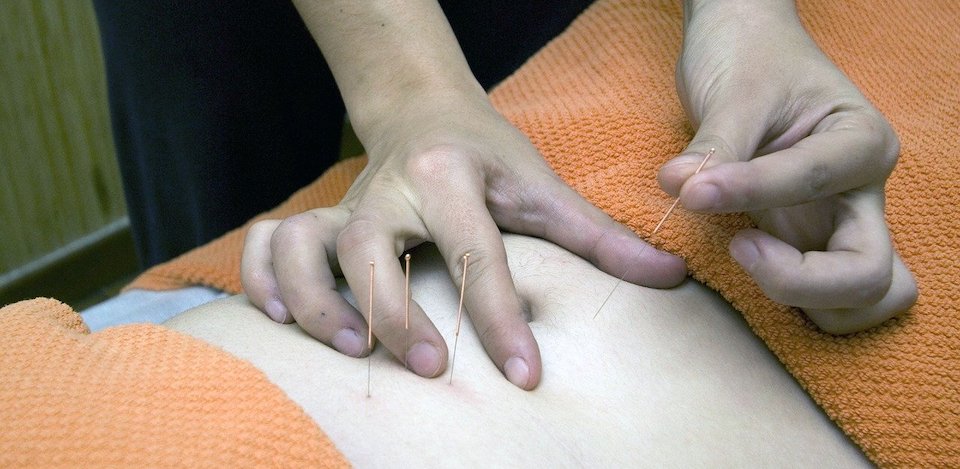
How does acupuncture work?
Acupuncture has been used in Chinese Medicine for thousands of years. It involves the use of fine needles to target specific points on the body.
Medical acupuncture combines a contemporary understanding of neuromuscular anatomy and pain physiology, with traditional Chinese Medicine practice of acupuncture. Medical acupuncture focuses on stimulating nerves, muscles, and connective tissues to relieve pain which in turn improves our body’s ability to heal and restore function
Acupunture may be used to treat and manage certain types of pain and other health concerns. Depending on the individual, it may be considered for conditions such as chronic pain, migraines, musculoskeletal pain, and may also be used in relation to sleep, stress management, digestive function and general wellbeing.
Dr Sahari’s practice provides acupuncture therapy that may stimulate the body’s natural responses through various physiological systems.
What can medical acupuncture be used for?
Medical acupuncture may be considered for a range of health concerns, depending on your symptoms, medical history and individual circumstances. It is commonly used as part of pain management and may be discussed for conditions such as headaches, migraines, musculoskeletal pain and some forms of chronic pain.
Before recommending acupuncture, Dr Sahari can discuss your symptoms, medical history and any existing treatments you may be receiving. This helps determine whether medical acupuncture may be an appropriate option for you.
Acupuncture does not necessarily replace other forms of medical treatment. Depending on your condition, it may be used alongside other treatments or as part of a broader management plan.
If you are considering acupuncture for a specific health concern, a consultation can help you understand what the treatment involves and whether it is suitable for you.
Book your acupuncture online
To book your session with Dr Sahari, book online or by call reception.
Frequently Asked Questions
What is acupuncture?
Acupuncture is a practice that involves inserting a very fine needle into different points of the body. These points of the body are known as ‘acupuncture points’. Acupuncture can also be conducted using a low-powered laser – this is known as ‘laser acupuncture’.
Is acupuncture painful?
Some people may experience a brief sensation or mild discomfort when an acupuncture needle is inserted. If you opt for laser acupuncture, there is no needle insertion.
Does acupuncture work?
The effects of acupuncture can vary between individuals and may depend on the condition being treated. Acupuncture may be used as part of pain management and for a range of other health concerns.
What is the difference between acupuncture and dry needling?
Dry needling is a technique that involves inserting a fine needle into specific areas, often targeting muscles or other soft tissues. Often this is conducted by a physiotherapy practitioner or another allied health professional – using this method can help you with pain.
There is no traditional Chinese medicine training involved in dry needling – it is a one day course to be able to conduct the practice. Training to become an acupuncturist takes 4 years of study at University.
The training and scope of practice for acupuncture and dry needling can differ, and your healthcare practitioner can explain which approach may be appropriate for your circumstances.
What happens at a medical acupuncture appointment?
When you meet with Dr Sahari she will first talk through your medical history and conduct a thorough examination. Then, based on his professional opinion and your preference as a patient, he will then conduct acupuncture using either a fine needle or a laser to stimulate parts of your body.
Acupuncture is conducted in a relaxed environment, and you will usually be lying down for at least 20 minutes. At the end of the session, the needles will be removed.
How should I prepare for an acupuncture appointment?
You can generally eat and drink as usual before an appointment for medical acupuncture in Werribee. It is helpful to wear comfortable clothing that allows easy access to the areas being treated. Your practitioner should also be informed about any medications, supplements or other treatments you are receiving.
How often will I need acupuncture treatment?
The number and frequency of acupuncture sessions can vary depending on the reason for treatment, your symptoms and how you respond. Your practitioner can discuss a treatment plan with you after assessing your individual circumstances.
Can I have acupuncture if I take medication?
In many cases, acupuncture may be considered alongside other treatments. However, it is important to tell your practitioner about any prescription medicines, over-the-counter medicines or supplements you take so they can assess whether acupuncture is appropriate for you.
Are there any side effects of acupuncture?
Some people may experience minor effects such as temporary soreness, bruising or slight bleeding where a needle has been inserted. Feeling light-headed or tired can also occur. Your practitioner can discuss potential risks with you before treatment.
Who may not be suitable for acupuncture?
Acupuncture may not be appropriate for everyone. Your practitioner for medical acupuncture in Werribee will consider your medical history and individual circumstances before treatment. It is particularly important to discuss pregnancy, bleeding disorders, allergies, implanted medical devices and medicines that affect blood clotting with your practitioner.
What should I do after an acupuncture session?
Most people can return to their usual activities after acupuncture, although you may feel tired or light-headed for a short time. Your practitioner can provide individual advice about any activities you may need to avoid after treatment.
Can acupuncture be used alongside other treatments?
Acupuncture may be used alongside other forms of medical care where appropriate. Your practitioner can consider your existing treatment plan and discuss how acupuncture may fit into your overall care.
Is acupuncture suitable during pregnancy?
If you are pregnant or think you may be pregnant, tell your practitioner before having acupuncture. Whether acupuncture is appropriate will depend on your individual circumstances and the areas being treated.
Does an acupuncturist have to study to practice?
Acupuncturists must meet the relevant registration and qualification requirements to practise in Australia. If you are not a qualified doctor, it takes 4 years of study to become an acupuncturist.